 Skip to content

EU Pay Transparency Directive: What it Means for Employers
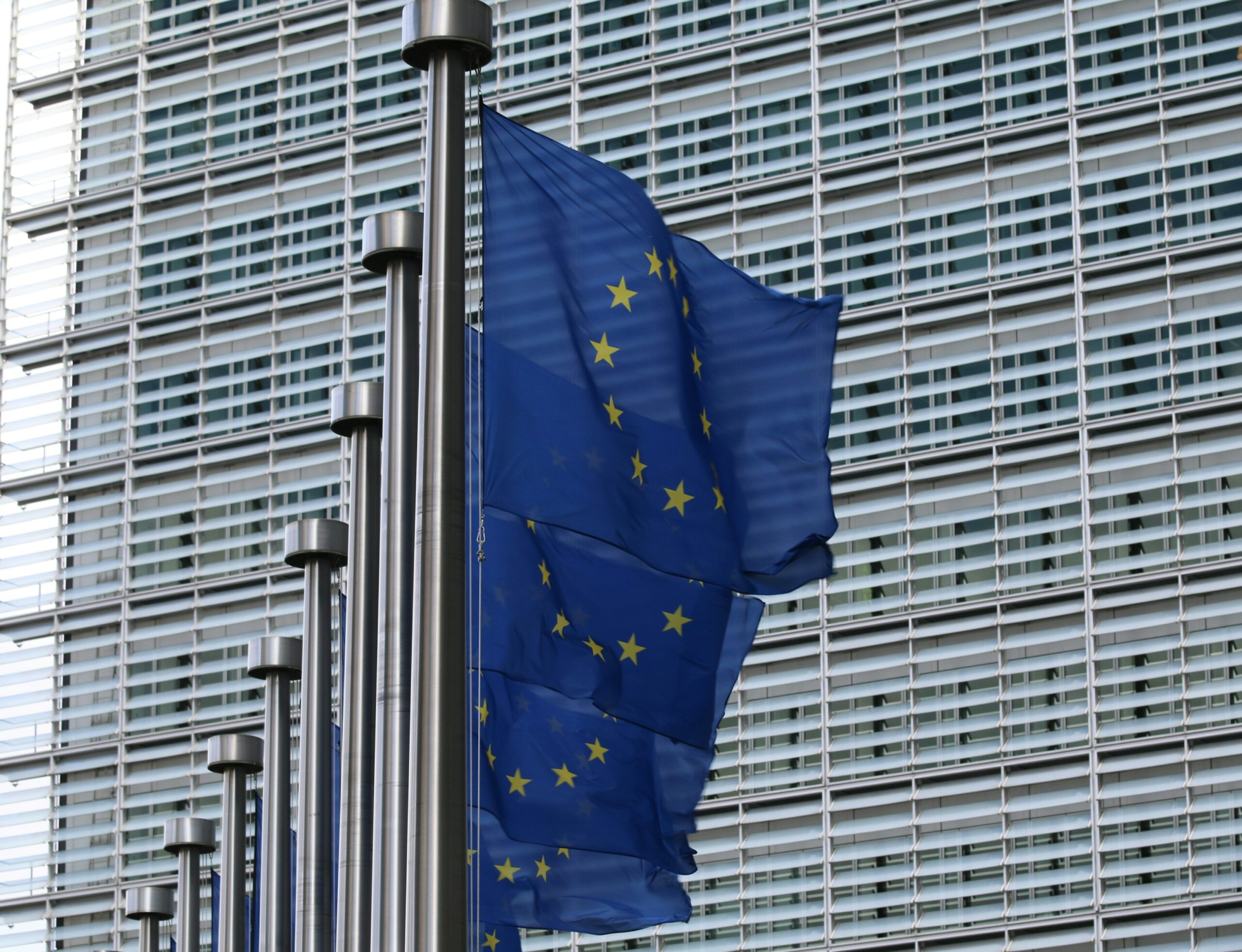
The EU Pay Transparency Directive is a set of measures to increase pay transparency proposed by the EU in 2023. The Directive builds on the growing body of pay transparency laws already in place across Europe and aims to combat pay discrimination and reduce gender pay gaps.
The directive itself is simply a legislative act that sets out goals that EU countries must achieve. However, it’s up to individual countries to devise the laws that will help them reach these goals. That means that each country might interpret and adopt the rules slightly differently.
The pay transparency directive came into effect in June 2023. EU countries have three years from that date to ‘transpose’ the rules into national law.
So, what is the directive about? The content can be broken down into two key areas:
- Pay transparency for workers, employers and jobseekers
- Better access to justice for victims of pay discrimination
1. Pay transparency
The directive introduces several new rules regarding pay transparency that EU employers will have to abide by. Specifically, they include:
Pay transparency for jobseekers: Employers will have to provide information about starting salaries to job applicants before the interview stage, usually by including this information in the job description. They also won’t be allowed to ask candidates about their salary history.
Right to information for all workers: Workers will be able to request information about average pay levels, broken down by sex, for employees doing the same work or work of ‘equal value’.
Gender pay gap reporting: Companies with 250+ employees will have to report on their gender pay gap every year, and those with between 150–250 will have to report every three years. The directive also provides that the threshold will be lowered to 100 workers within three years of coming into force — so even small companies will have to get used to reporting on their gender pay gap.
Joint pay assessment and corrective action: If a company is found to have a gender pay gap of 5% or more, they’ll have to come up with an action plan to resolve it or conduct a joint pay assessment (JPA) with workers’ representatives.
Scrutiny on pay levels and structures: Companies will need to be more transparent about how they make pay decisions, and they’ll need to be able to show that the criteria they use are objective and gender-neutral.
2. Access to justice
The directive also includes several provisions for the treatment of victims of pay discrimination:
Compensation for workers: Workers who have been the victim of pay discrimination will have access to compensation, which could include full back pay including bonuses or payments in kind.
Burden of proof in law remains with the employer: Employers will have to prove that they have not violated the rules, rather than requiring employees to provide evidence of discrimination.
Sanctions for discriminatory employers: There will be sanctions for employers found to have discriminated against employees, which could include fines. These will be determined by each member state.
Provisions for intersectional discrimination: The directive also includes provisions for protecting employees from intersectional discrimination. This is the combination of multiple forms of discrimination, including discrimination on the basis of gender, ethnicity, sexuality, disability, etc.
What does it mean specifically for UK companies?
Most UK companies won’t be directly affected by the directive. However, pay transparency is still an important topic that employers in the UK should pay attention to.
There’s also an important caveat that employers outside the EU should be aware of: Any company with 100 or more workers based in EU member states will need to comply with the legislation in the country where those workers are based. That means that UK companies could still be impacted by the directive, even though the UK is no longer part of the EU.
How will the EU pay transparency directive impact employers?
Employers in the EU will need to rethink their internal pay practices to ensure they’re in line with the new rules. For some companies, that might mean reevaluating the way they determine job levels for the purposes of setting pay. Under the new rules, the criteria for these must be gender-neutral and objective.
Employers will also need to prepare to meet their reporting requirements every year (or every three years for companies with between 100 and 250 employees). This can represent a significant administrative burden — so it’s important to start preparing now. Member states are expected to put in place tools or guidance to help employers in their country to meet these requirements.
What about employees and workers?
The directive will give workers across the EU much more access to information, both before and during employment. This has the potential to completely change the way that workers search for work and negotiate salaries.
Workers will also have the right to more protections from pay discrimination. The shift of the burden of proof from the worker to the employer is a particularly important factor that will make it easier for employees to seek compensation if they have been treated unfairly.
When will the EU pay transparency directive come into play?
EU member states have until June 2026 to transpose the directive into national law. Although they have to follow the basic guidelines outlined in the directive, they’re free to implement the rules as they see fit. That means there will almost definitely still be differences in how pay transparency is handled in each country.
What do you need to do now to prepare for the directive?
If you haven’t yet started getting ready for the directive to come into play, now’s the time to do it. The best place to begin is by building your compensation strategy, if you don’t have one in place already. This is a high-level statement of your overall approach to compensation — and it can be useful in guiding your decisions in the short, medium and long term.
You should also review your existing compensation structures and the criteria you use to make decisions about pay. Once the directive is in force, there’s likely to be a lot more scrutiny on how companies manage compensation — so it’s much better to do this now.
In Summary
Pay transparency is here to stay, and the EU Directive further reinforces this by forcing change and levelling the playing field. Employers with an EU presence should take the opportunity to prepare now by developing a pay transparency strategy that meets the requirements of the Directive while also advancing their own goals surrounding equal pay, DEI, and other organisational priorities.
At Turning Point, we understand the complexities and challenges of building a robust and equitable pay and reward strategy. We have the expertise to help you navigate this process and offer live, trusted global remuneration data and commercially focussed advice, empowering you to make fair and informed decisions.
If you have any questions about the EU Pay Transparency Directive or need help with your pay and reward strategy, please contact our team of reward specialists at info@turningpointhr.com
More News

5 Ways to Keep Your Job Architecture Relevant and Effective

Autumn Budget 2026: What It Means for Employers
