 Skip to content

Preparing for Pay Equity: How Employers Can Stay Ahead
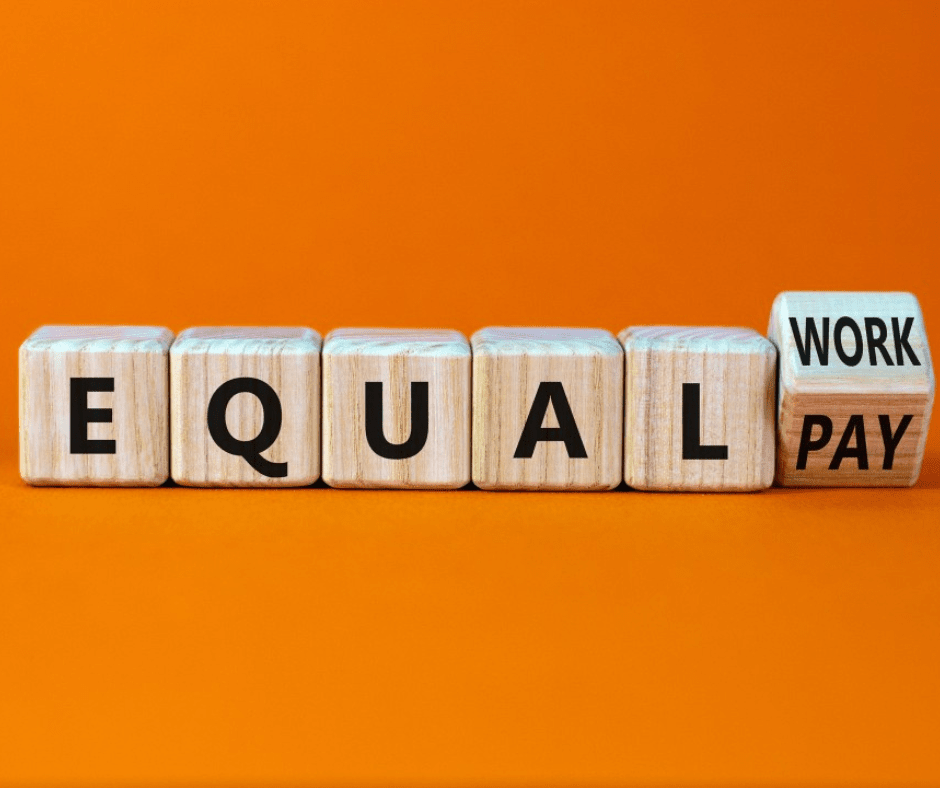
The push for equity in pay – including gender, ethnicity, and disability – is dictating a need for greater transparency, a shift for which employers must now prepare.
In a recent article, we explored the terms pay equity and pay equality, highlighting where they overlap and where they differ. With the focus increasingly turning to pay equity for legislators worldwide, how can employers be ready for the increased transparency this requires?
Upcoming legislative changes
The Employment Rights Bill, currently progressing through Parliament, will change UK gender pay gap reporting from 2027, aiming to increase employer accountability and drive a more transparent culture of pay fairness.
From June 2026, the EU Pay Transparency Directive (EUPTD) will require all companies with more than 100 EU-based employees to conduct gender pay gap reporting, alongside other measures designed to increase transparency on how pay is set and can be progressed. In the US, there is considerable momentum on introducing pay transparency laws, with a number of states recently introducing mandatory salary ranges in job adverts.
Many employers are taking steps now to meet evolving pay transparency regulations, recognising that obligations differ by country.
Pay equity reporting
Over recent years, an increasing number of employers in the UK have chosen to expand their pay gap reporting to include additional characteristics, most commonly ethnicity and disability. Although not yet mandatory, the UK government have issued guidance on how to approach ethnicity pay gap reporting. The recommendation is that employers group ethnicities into five categories and compare their pay against each other, rather than conducting a binary comparison of white and non-white ethnic groups. To achieve this, organisations need to have detailed ethnicity data on their employees, plus enough people in each category to satisfy minimum reporting requirements.
This year, the government launched a formal consultation on introducing mandatory ethnicity and disability pay gap reporting, to be aligned with the existing gender pay gap framework. It is highly likely that this will be introduced in the next few years, and employers may wish to prepare for the reporting requirements ahead of time. But how should they start?
Diversity data
Collecting data on protected characteristics should always be handled sensitively and transparently. The government recommends asking employees to report their own ethnicity, ensuring the data is stored securely and confidentially, and offering an opt-out option. Data should be collected using standard ethnicity classifications, which can then be assigned to the five ethnicity categories for reporting purposes.
There is no detailed advice yet on how to conduct disability pay gap reporting, but it is expected to be based on comparing the pay of employees who declare they have a disability against those who declare they do not.
Gender data is required for current UK gender pay gap reporting and will also be needed for compliance in the EU and US where required. It’s essential to explain to employees why this data is being collected and how it will be stored. Gathering this information now will allow time to plan, engage stakeholders and employee networks, and avoid any last-minute pressure ahead of pay gap reporting deadlines.
Making pay equity a reality
There are several ways employers can approach paying equitably, meeting legislative requirements, and at the same time embracing the opportunity to enhance their Employee Value Proposition and competitiveness for talent.
Our tips when thinking about pay equity:
- Review how roles are evaluated. Do you have a method that captures each role holistically and reliably shows where roles are performing equal work?
- Balance the methods you use to set pay ranges. Market data is still incredibly helpful for this, but it cannot be relied on solely to defend differences in pay for roles doing equal work.
- Consider conducting an Equal Pay Audit to check for any current gender pay imbalances and develop a plan to address them.
- Carry out an Equality Impact Assessment when making changes to policies and processes – for example, changes to grade structures or pay frameworks.
As pay transparency requirements continue to evolve, employers who act early will be best positioned to shape a pay approach that delivers both equality and equity – while strengthening their reputation as a fair and competitive employer.
How we can help
At Turning Point, we can work with you to ensure equity is at the heart of your remuneration approach. Our team of experienced Reward specialists is here to guide you through every step, helping you navigate complexity with clarity and confidence.
Contact us to find out more.
By Caroline Pryce, Reward Consultant
More News

5 Ways to Keep Your Job Architecture Relevant and Effective

Autumn Budget 2026: What It Means for Employers
