 Skip to content

Autumn 2025 Budget Summary
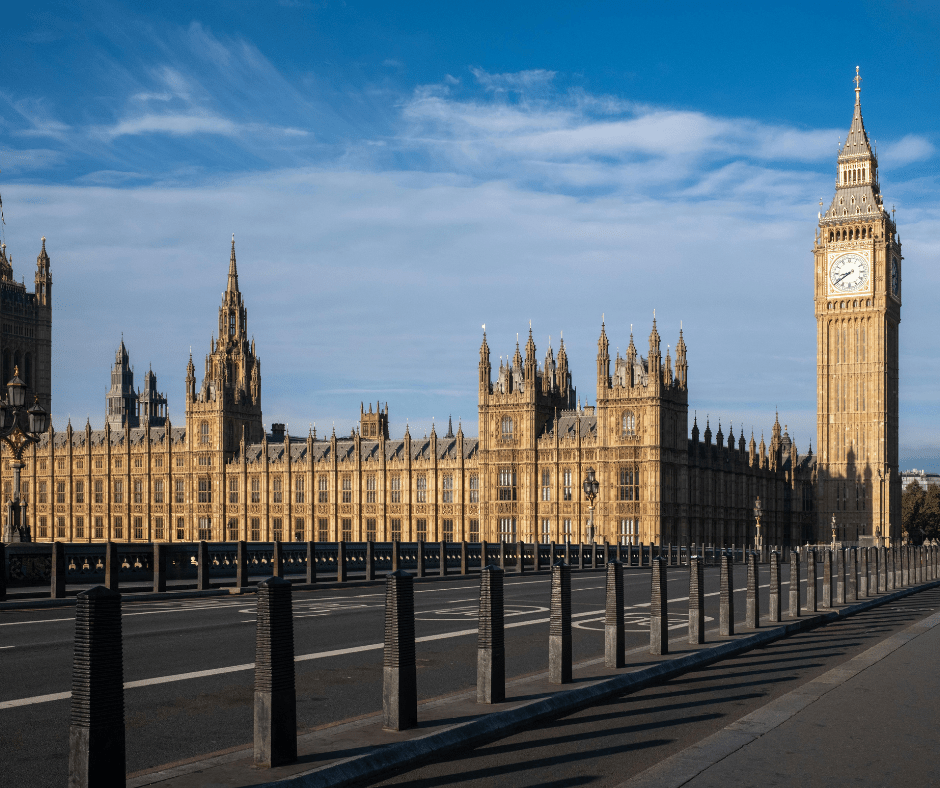
Chancellor Rachel Reeves has delivered the Autumn Budget for 2025.
Following last year’s Budget – which introduced a rise in Employer NI contributions and a £0.77 increase to the National Living Wage – this year’s announcements are notably less controversial. However, several measures will still have meaningful implications for employers, pay strategies, and workforce costs.
Headline changes
- Tax and National Insurance thresholds frozen until 2031
This is forecast to pull nearly a million new taxpayers into the system and push 750,000 people into the higher tax rate bands. This drag on salary growth is bound to increase pressure on businesses from staff to offset the real-world reduction of their salaries with larger uplifts.
- Minimum Wage increase
The National Living Wage for workers aged 21+ will rise by £0.50 to £12.71 from April – an increase of just over 4%. While this is lower than the 6.1% rise last year, it still sits slightly above the current 3.8% inflation rate.
Most employers are planning cost-of-living increases for their workforce in the region of 3–4% for 2026, meaning this uplift is unlikely to ease existing pay compression challenges at the lower end of pay structures.
- Dividend tax increases (from April 2026)
The dividend tax rate will rise to:
– 10.75% for basic rate taxpayers
– 35.75% for higher rate taxpayers
This will have a significant impact of the incomes of company directors receiving a portion of their remuneration via dividends.
- Pension salary sacrifice changes (from April 2029)
Salary-sacrifice pension contributions above £2,000 will attract National Insurance. Any contributions above this threshold will be treated as standard employee pension contributions. Employers may need to revisit pension-related reward strategies, particularly for higher earners.
- New mileage-based tax for electric vehicles (from 2028)
A new road-use tax for EVs will reduce the current tax advantage of offering electric company cars. This may influence reward package design for senior employees as organisations reassess where they can achieve greatest value.
- Business rates reform
Changes to business rates will reduce costs for approximately 750,000 organisations in the retail, hospitality, and leisure sectors. While this offers welcome relief, any financial benefit may be offset by increased wage bills, as these sectors employ large numbers of minimum-wage workers.
For HR leaders, the key themes are continued upward pressure on wages, reduced tax efficiency in certain reward mechanisms, and growing complexity in maintaining competitive, compliant, and sustainable pay structures.
How we can help
Equipped with comprehensive, robust data and proven methodologies, Turning Point is ideally suited to help you navigate these changes. Our team can help you manage the impact on your pay structure and ensure you have a sustainable strategy and framework in place that is right for your business and your people.
If you have any questions or need help with any aspect of your pay and reward strategy, please contact our team of reward specialists.
More News

5 Ways to Keep Your Job Architecture Relevant and Effective

Autumn Budget 2026: What It Means for Employers
